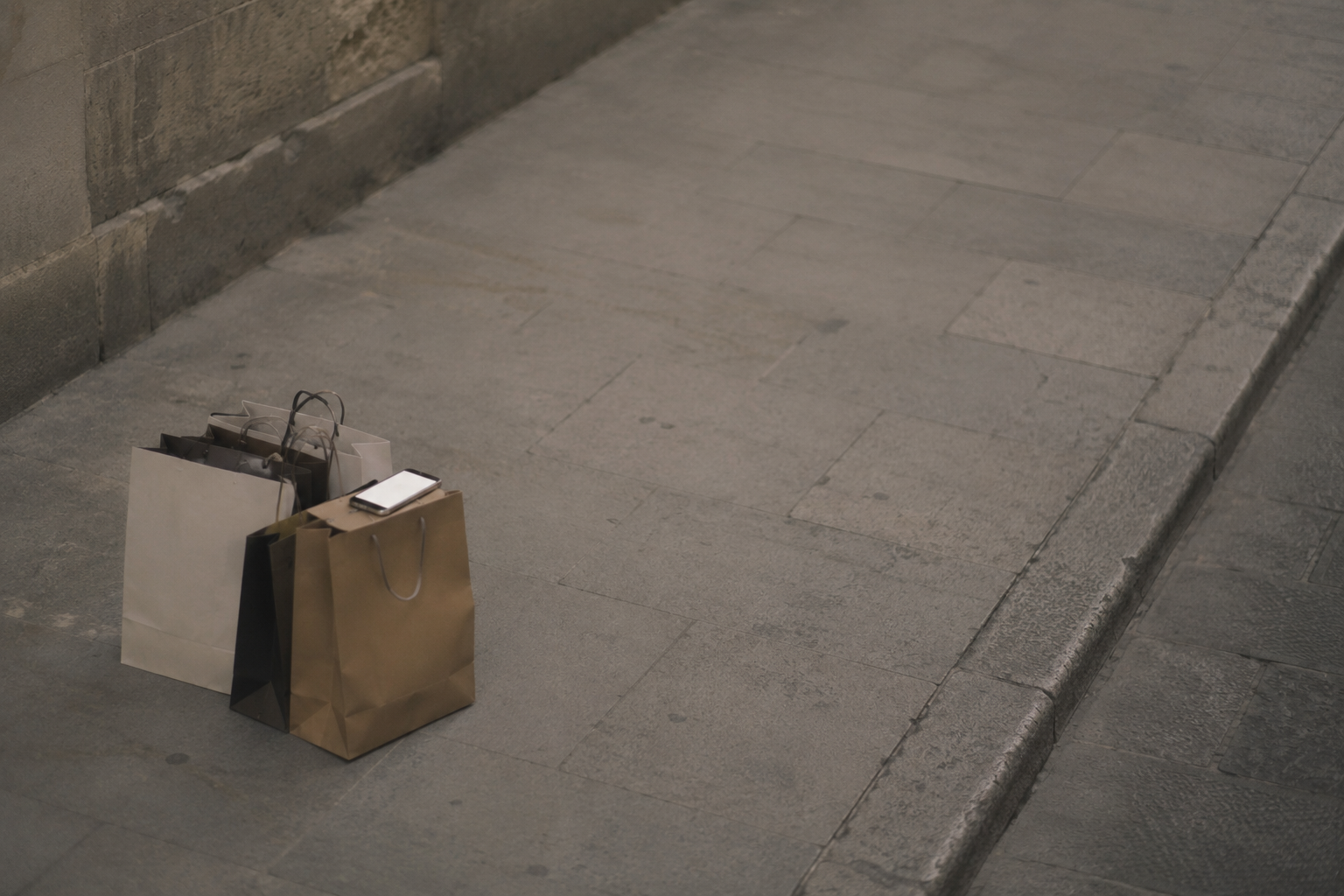
I was carrying too many bags.
One in each hand, another looped over my shoulder, and somewhere in my pocket, a phone I needed to reach. I put a bag down. I pulled out the phone. I opened the app. I tapped through the screens. I called the car. I picked the bag back up.
The car arrived. The errand got done. Nothing went wrong.
But something stayed with me. A small friction I had stopped noticing. The choreography of putting down what I was carrying so I could pick up a glowing rectangle to ask for a ride.
We have built our lives around that rectangle. Every task routes through it. Every intention has to pass through a screen before it becomes real. We accept this as the cost of getting things done.
I do not think it is the cost. I think it is a habit.

The phone is a visual reference. It is not the requirement.
When I think about what I actually wanted in that moment, it was not an interface. It was a car. The interface was the toll I paid to get there. And the toll is starting to feel out of proportion to what I am buying.
A small microphone, somewhere near me, that I never have to think about. I say I need a ride. The car comes. My hands stay where they are. My attention stays where it is. The bag stays in my hand.
This is not a fantasy about the future. The technology already does this. What it does not yet have is trust.
That is the real design problem.
We do not reach for our phones because screens are better. We reach for them because we can see what we are doing. We can verify. We can correct. We can cancel. The screen is a contract. It shows us the system is listening, the request is understood, the action is underway.
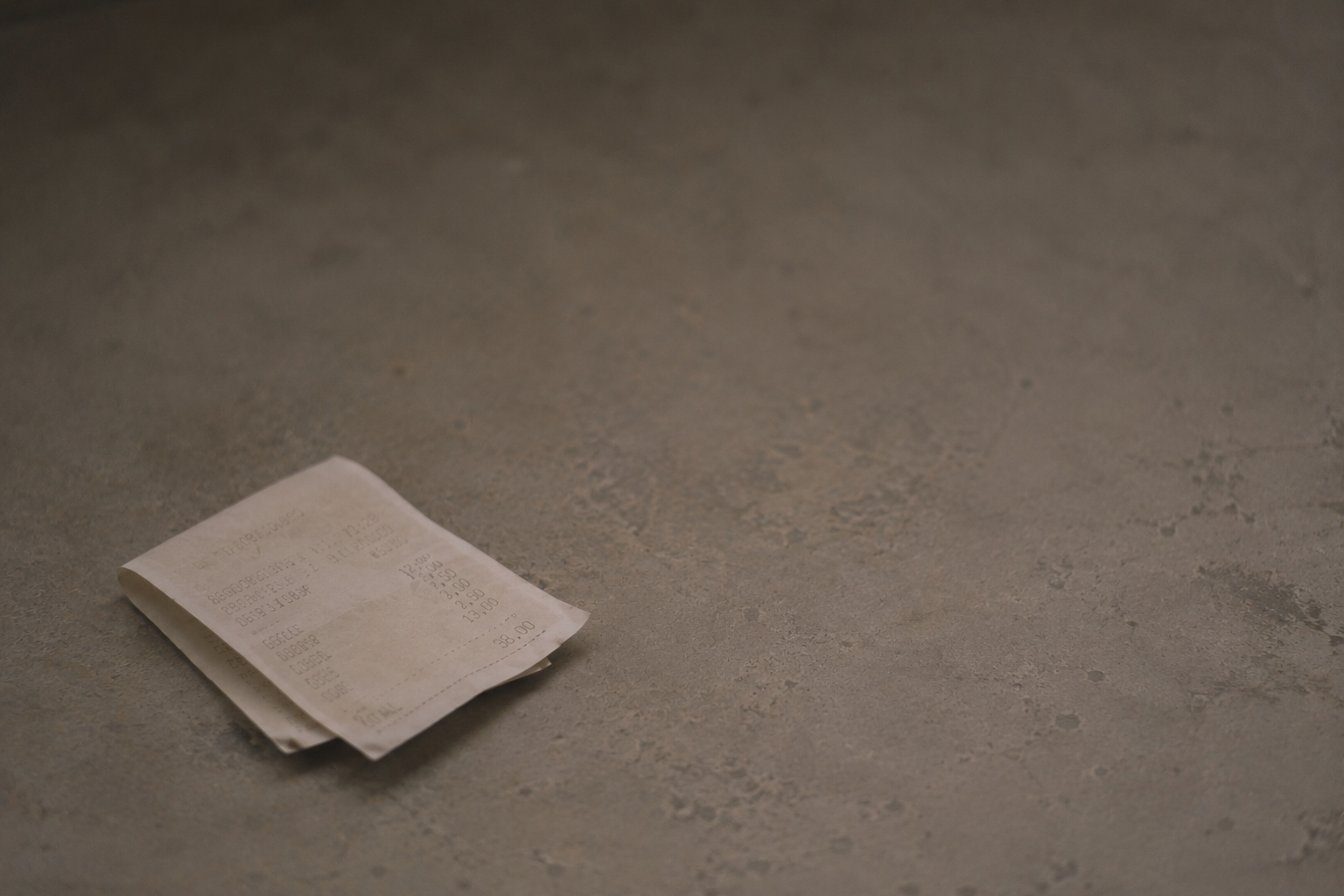
Voice does not have that contract yet. When I speak into the air, I do not know if it heard me. I do not know if it got it right. I do not know how to take it back. So I reach for the phone, even when I do not need to, because the phone is the receipt.
Build the trust, and the receipt becomes optional. That is the work. Not making voice smarter. Making voice trustworthy enough that we stop needing the screen to confirm it.

The other thing the phone takes from us is presence.
I was not present when I put the bag down. I was negotiating with a piece of glass. The world around me went quiet for thirty seconds while I served the device. Multiply that by every small task in a day, and you start to see the shape of what we have given up.
Screens pull us out of the moment to perform a small administrative act, then drop us back in. We have made peace with this because the alternative did not exist. But the alternative is starting to exist. And once you can imagine a life where the friction is gone, the friction starts to feel like a choice.
I am not arguing against screens. I will keep using them. There are tasks where seeing matters, where comparison matters, where the visual is the point.
But most of what I do on a phone is not that. Most of what I do on a phone is administration. Routing intentions through a UI because the UI is what we have.
I do not want to spend my life there.

The form factor I am describing is small. It does not announce itself. It does not glow. It does not interrupt. It sits next to the moment instead of in front of it.
I think we are closer to it than people realize. The hardware is solvable. The models are good enough. What is missing is the design discipline to make voice feel like a contract instead of a guess.
That is the problem worth working on. Not the next screen. The thing that lets us put the screen down.
I picked up the bag. I walked to the car. I did not think about it again.
But I am thinking about it now. About all the small moments a screen has stood between me and what I was doing. About what gets returned to me when it stops.
Presence is not nostalgia. It is a design outcome.
We are ready for it. The technology is almost ready for it. What is left is the trust.
That is the work.